Как эволюционировал буровой молоток ДТХ? Три конструкции, разработанные для решения различных задач бурения.
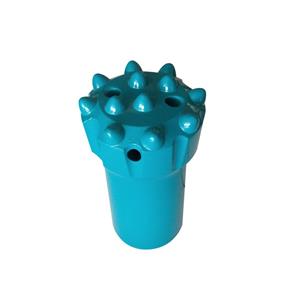
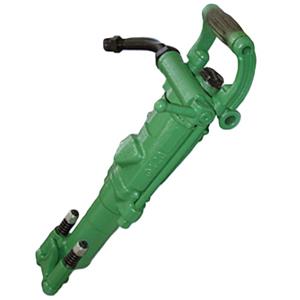
Снаружи погружной молоток выглядит просто: поступает сжатый воздух, поршень ударяет, и буровое долото разрушает породу.
Однако замысел этой акции значительно изменился.
Различные условия бурения требуют различных конструкций молотков. Для бурения водяной скважины в рыхлом грунте не требуется тот же инструмент, что и для бурения разведочной скважины. Бурение фундаментной скважины большого диаметра предъявляет совершенно иные требования.
Разработка пневматических буровых молотков осуществлялась с одной практической целью: достичь максимальной эффективности бурения при минимальном энергопотреблении.
Как классифицируются молотки ДТХ?
Молотки ДТХ можно классифицировать несколькими способами.
По системе распределения воздуха они делятся на молотки с клапанами и без клапанов. По конструкции поршня они включают однопоршневые и многопоршневые конструкции. По рабочему давлению они, как правило, подразделяются на молотки высокого, среднего и низкого давления.
Эти категории не являются чисто теоретическими. Внутренняя структура влияет на расход воздуха, энергию удара, скорость бурения, срок службы долота, требования к техническому обслуживанию и тип породы, с которой может работать буровой молоток.
Именно поэтому выбор бурового молотка ДТХ только по внешнему диаметру или размеру соединения рискован. Молоток должен соответствовать буровой установке, компрессору, буровому долоту, диаметру скважины и грунтовым условиям.
1. Молотки обратного циркуляционного типа
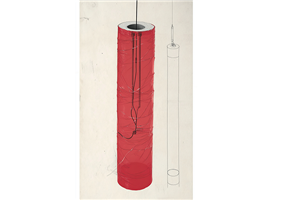
Молоток обратного действия проходного типа работает с бурильными штангами с двойными стенками.
Буровой раствор и буровой шлам циркулируют по внутреннему каналу бурильной колонны, обеспечивая непрерывный отбор проб в режиме обратной циркуляции. Такая конструкция широко используется в разведке полезных ископаемых и инженерно-геологических исследованиях.
Этот метод особенно полезен в сложных геологических формациях, содержащих песок, гальку и гравий. Такие формации могут создавать сразу несколько проблем:
Бурение становится нестабильным.
Традиционные методы извлечения керна представляют собой сложную задачу.
Стенка скважины может обрушиться.
Удаление черенков становится неэффективным.
Увеличиваются время бурения и эксплуатационные расходы.
Обратная циркуляция помогает решить эти проблемы, непрерывно доставляя образцы горных пород на поверхность. Благодаря этому образцы с меньшей вероятностью смешиваются с материалом из других частей скважины, что повышает надежность геологической интерпретации.
Этот же метод можно использовать при бурении водяных скважин и гидрогеологических работ. Он способствует улучшению удаления бурового шлама, непрерывному отбору проб и чистоте скважины. В подходящих условиях он может снизить риск загрязнения поверхности и закупорки водоносных пластов буровым шламом.
Для геологоразведочных компаний ценность заключается не только в скорости бурения. Более чистый образец и более стабильная скважина могут улучшить качество окончательного геологического решения.
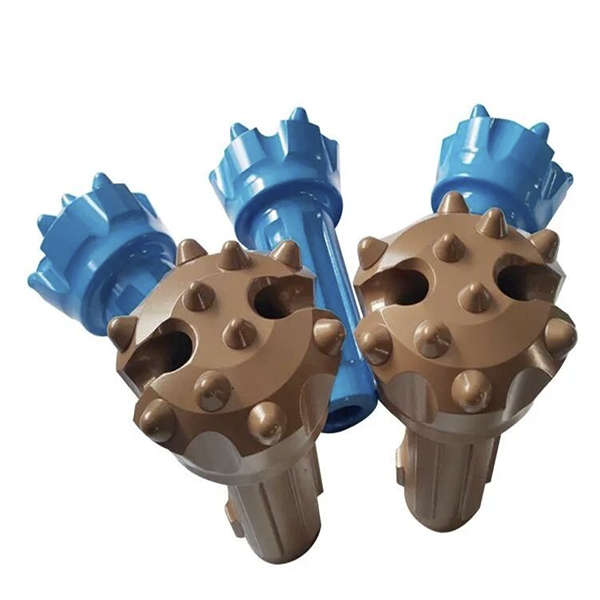
2. Молотки для обсадных труб с погружным механизмом.
Некоторые геологические образования труднодоступны из-за твердости породы. Другие же сложны тем, что образовавшаяся в них полость не останется открытой.
Молотки ДТХ для продвижения обсадной колонны предназначены для решения второй проблемы.
В процессе бурения обсадная труба продвигается вместе с молотком и долотом. Обсадная труба поддерживает стенку скважины, в то время как буровой инструмент продолжает проникать в пласт. Это делает метод подходящим для рыхлых грунтов, смешанных с породой почв, выветренных отложений и других неустойчивых слоев.
Без продвижения обсадной колонны скважина может обрушиться до того, как будет удалена бурильная колонна или до начала следующей операции. Повторяющиеся обрушения приводят к потере времени и могут застревать буровым инструментам в скважине.
Системы продвижения обсадной колонны обычно делятся на два основных типа:
Концентрическое продвижение обсадной трубы
Обсадная труба и буровое долото работают вдоль одной осевой линии. Такая конструкция обеспечивает относительно простой путь бурения и подходит для пластов, где обсадная труба может следовать за долотом без значительного увеличения диаметра.
Эксцентричное продвижение корпуса
Во время бурения долото немного расширяет отверстие за пределы диаметра обсадной трубы. После продвижения обсадной трубы долото можно убрать или отрегулировать, чтобы бурильную колонну можно было извлечь, не снимая обсадную трубу.
Этот тип полезен в тех случаях, когда грунт особенно подвержен обрушениям.
Молотки для обсадных труб, используемые в системах погружного бурения, также могут быть выбраны в зависимости от рабочего давления. Доступны версии высокого и низкого давления для различных мощностей компрессоров, диаметров скважин и условий залегания пласта.
Правильный выбор зависит не только от самого молотка. Подрядчики также должны учитывать диаметр обсадной трубы, конструкцию башмака обсадной трубы, производительность компрессора, требования к промывке и ожидаемую скорость потери грунта.
3. Кластерные или комбинированные молотки ДТХ
Кластерный буровой молоток ДТХ объединяет несколько отдельных молотков в единую буровую установку.
Цель состоит в том, чтобы обеспечить достаточную мощность бурения для очень больших отверстий. При соответствующей конфигурации комбинированные системы ДТХ могут бурить отверстия диаметром приблизительно 1524 мм.
Это совершенно иная задача по сравнению с обычным бурением в промышленных целях. Скважины большого диаметра требуют большого объема воздуха, значительного вспомогательного оборудования, тщательной центровки и строгого контроля за удалением бурового шлама.
Кластерная конструкция распределяет ударную нагрузку между несколькими ударными молотками. Она может использоваться при бурении больших фундаментных скважин, в специальных строительных проектах и других областях, где обычный одноударный пневматический молоток не может обеспечить требуемый диаметр скважины.
Чем больше становится конструкция, тем важнее становится вспомогательная система. Мощность компрессора, диаметр воздуховода, устойчивость буровой установки, усилие подачи, управление вращением и подъемное оборудование — все это становится критически важным.
От сварных молотков до безклапанных конструкций
История пневматических молотков с диафрагменным трением — это не прямая линия, по которой каждое новое поколение полностью заменяет предыдущее.
В первых поколениях использовались сварные конструкции. В более поздних разработках произошел переход к сборным конструкциям, что сделало производство, техническое обслуживание и замену компонентов более практичными.
Во втором поколении широко использовалась система распределения воздуха с клапанами. В более поздних конструкциях были внедрены бесклапанные системы для упрощения управления потоком воздуха и уменьшения количества внутренних изнашиваемых деталей.
Каждое поколение по-прежнему наследовало полезные функции от предыдущего. Некоторые компоненты оставались взаимозаменяемыми в разных конструкциях. Например, сверло, используемое с молотком более позднего поколения, может быть совместимо с молотком более ранней серии, хотя у более позднего сверла может отсутствовать хвостовик, используемый в более старой конфигурации.
Подобная частичная совместимость важна в полевых условиях. Она может снизить нагрузку на складские запасы и помочь буровым подрядчикам обеспечить наличие запасных частей для нескольких типов машин.
Что следует проверить перед покупкой пневматического молотка ДТХ?
Перед выбором молотка ДТХ убедитесь в следующем:
Требуемый диаметр отверстия и глубина сверления.
Твердость и абразивность горных пород
Стабильна ли данная формация или подвержена обрушению.
Давление компрессора и подача воздуха
Требуемая скорость бурения
Совместимость хвостовика и резьбы сверла
Наличие запасных поршней, клапанов и изнашиваемых деталей.
Требуется ли обратная циркуляция или продвижение обсадной трубы?
Лучший буровой молоток с погружным насосом — это не обязательно тот, который обладает наибольшей энергией удара. Важно, чтобы он обеспечивал необходимую энергию удара, расход воздуха и контроль бурения в зависимости от конкретного пласта.
Компания Гея Камень поставляет буровые молотки, буровые долота, буровые штанги и сопутствующее оборудование для бурения горных пород в горнодобывающей промышленности, разработке карьеров, бурении водяных скважин, строительстве и геологической разведке. Свяжитесь с нашей командой, чтобы подобрать конфигурацию молотка и долота, соответствующую вашей буровой установке и условиям грунта.